Top Benefits of Lightweight PVC Wall Panels for Global Buyers?
In recent years, Lightweight Pvc Wall Panels have gained immense popularity among global buyers. These innovative panels offer a range of benefits that can transform spaces efficiently. Their lightweight nature makes installation easier. This feature also reduces shipping costs, appealing to many contractors and homeowners alike.
Lightweight PVC wall panels are versatile for both residential and commercial use. They come in various colors and textures, allowing for creative design possibilities. However, despite their many advantages, buyers should consider specific requirements to ensure a perfect fit for their projects. Quality can vary across suppliers, making research crucial.
While these panels have incredible advantages, the long-term implications are sometimes overlooked. For instance, environmental impact and durability are areas that require careful thoughts. Buyers must weigh cost-efficiency against potential future costs. In conclusion, lightweight PVC wall panels are practical, but informed decision-making is essential for lasting satisfaction.
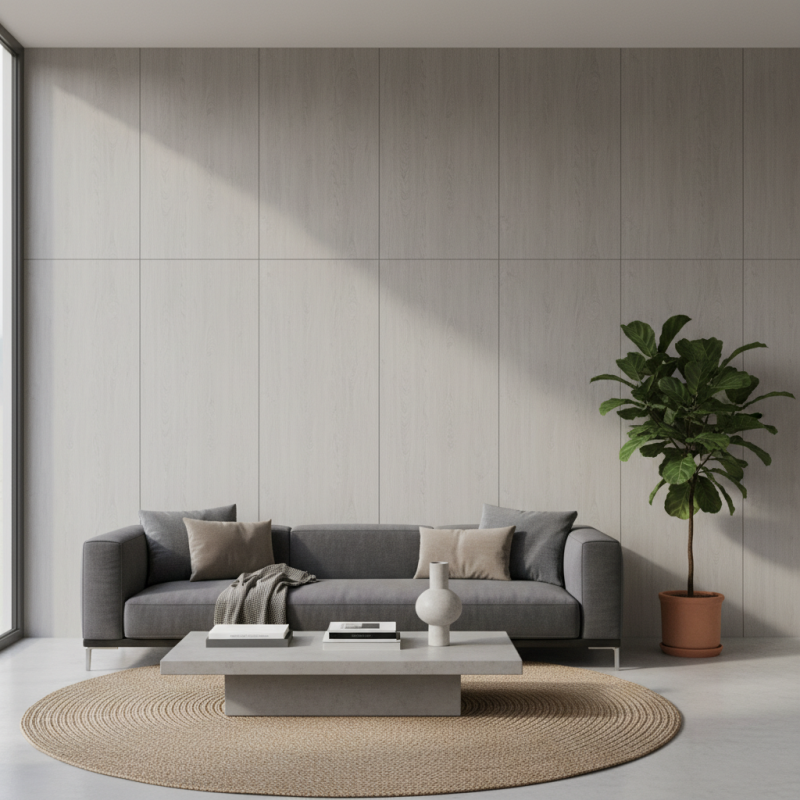
Advantages of Lightweight PVC Wall Panels for Modern Construction
Lightweight PVC wall panels offer a transformative solution for modern construction. These panels are easy to install, reducing labor costs and project timelines. Their lightweight nature allows for quick handling, making them suitable for various applications, from residential to commercial spaces. The reduced weight also means less strain on building structures, contributing to enhanced durability.
In terms of aesthetics, lightweight PVC wall panels come in various designs and colors. This versatility allows builders and designers to create innovative interiors. They resist moisture and do not warp or rot, making them ideal for areas like bathrooms and kitchens. However, it’s important to consider the environmental impact of PVC production. Rethinking materials can lead to more sustainable building practices.
Moreover, while these panels have many advantages, there may be a perception issue regarding their strength. Some might associate lightweight with inferior quality. Proper installation and quality control are crucial to overcoming this concern. Ensuring that these panels are secured correctly can enhance their performance and longevity in any setting.
Top Benefits of Lightweight PVC Wall Panels for Global Buyers
| Benefit | Description | Applications | Environmental Impact |
| Lightweight | Easy to handle and install, reducing labor costs and time. | Residential, Commercial, Industrial | Made from recyclable materials, minimizing waste. |
| Durability | Resistant to moisture, mold, and corrosion, ensuring longevity. | Hospitals, Kitchens, Bathrooms | Lower environmental footprint due to longevity. |
| Easy Maintenance | Simple cleaning and care requirements. | Commercial Spaces, Retail Stores | Conserves resources through reduced maintenance activities. |
| Aesthetic Versatility | Available in various colors, textures, and designs. | Interior Design, Facades | Design options that allow for energy-efficient layouts. |
| Cost-Effectiveness | Lower initial investment and reduced installation costs. | Startups, Budget Projects | Encourages responsible spending on sustainable materials. |
Durability and Maintenance Benefits of PVC Wall Panels
Lightweight PVC wall panels are gaining popularity for their durability and low maintenance. These panels withstand moisture well, making them ideal for various environments. Unlike traditional materials, PVC does not warp, crack, or fade easily. This resilience makes them a smart choice for busy commercial spaces.
Installation is also straightforward. Many panels can be fitted without the need for specialized tools. They come in numerous styles, allowing for creative flexibility. This ease of use can sometimes lead to rushed installations, which may compromise the final look. A careful approach is essential to achieve the best results.
Maintenance is minimal. A simple wipe with a damp cloth can keep these panels looking fresh. They do not require paint or special cleaners. However, over time, some panels may show wear or scratches. It's important to monitor the condition and replace any damaged sections. Choosing high-quality materials can reduce these issues significantly. By carefully considering these factors, buyers can enjoy the long-lasting beauty of PVC wall panels.
Cost-Effectiveness of Lightweight PVC Panels for Global Buyers
Lightweight PVC wall panels offer significant cost-effectiveness for global buyers. According to industry reports, these panels can reduce installation costs by up to 30%. This is primarily due to their easy handling and quick installation process. They can be cut to size without special tools, saving both time and labor expenses.
Moreover, the durability of PVC panels contributes to long-term savings. They resist moisture, mold, and mildew, which means lower maintenance costs over time. A study by the Construction Industry Research and Info Center indicates that buildings using PVC panels can achieve a lifespan that is 50% longer than traditional materials. This longevity translates into fewer repairs and replacements, which is crucial for budget management.
However, not all buyers may recognize the full potential of these panels. Some might overlook the initial investment for higher-quality products, thinking cheaper is better. This can lead to higher costs in the long run due to poor performance. Understanding these dynamics is essential for making informed purchasing decisions. Choosing the right PVC wall panels can ultimately lead to valuable savings and enhanced building performance.
Top Benefits of Lightweight PVC Wall Panels - Cost-Effectiveness
This bar chart illustrates the cost-effectiveness of lightweight PVC wall panels for global buyers. Each benefit is rated on a scale from 1 to 10 based on its significance, showcasing that cost savings and aesthetic appeal are the standout benefits from a buyer's perspective.
Environmental Impact and Sustainability of PVC Wall Panels
Lightweight PVC wall panels are gaining traction for their environmental benefits. These panels often require less energy to produce compared to traditional materials. The durability of PVC means longer lifespans, which reduces the frequency of replacement. This factor contributes to lower overall waste in construction and renovation projects.
However, concerns about PVC production still exist. Some processes release chemicals that can harm the environment. Responsible sourcing and recycling programs are essential to mitigate these effects. Buyers should seek manufacturers who prioritize sustainability and implement eco-friendly practices.
Another concern is the disposal of PVC products. While PVC can be recycled, not all facilities accept it. It is crucial for buyers to be aware of local recycling options. Making informed choices can enhance the positive impact of using PVC wall panels. Sustainable practices can help strike a balance between the benefits and the potential downsides of these materials.
Design Versatility and Aesthetic Appeal of Lightweight PVC Solutions
Lightweight PVC wall panels have gained popularity due to their design versatility and aesthetic appeal. According to a recent industry report, the demand for PVC panels is projected to grow by 7% annually until 2025. This growth reflects their suitability for various applications—from residential spaces to commercial settings. Their smooth surfaces and array of colors allow designers to create stunning visual effects.
For buyers, understanding the aesthetic flexibility of PVC panels is crucial. They can mimic natural materials like wood or stone, providing a high-end look without the hefty price tag. Interior designers appreciate this because it simplifies material selection. For instance, a recent case study revealed that homes utilizing PVC wall panels saw a 25% increase in overall satisfaction due to enhanced aesthetics.
**Tip:** Consider the lighting in your space. Different finishes and colors of PVC panels can shift in appearance based on lighting conditions, altering the room's mood.
Moreover, the installation process is often straightforward, requiring minimal tools. This ease improves project timelines and reduces labor costs. However, buyers should reflect on the thermal properties of lightweight PVC. While they provide insulation, improper installation can lead to gaps and energy inefficiency, impacting long-term performance.
**Tip:** Always consult installation guides from knowledgeable sources to ensure optimal results. This ensures you maximize the benefits while minimizing potential issues.
