How to Choose the Right 20-200 Mesh Color Sand for Your Project?
Choosing the right materials for your project can be challenging. When it comes to 20-200 Mesh Color Sand, the choices can feel overwhelming. This type of sand offers vibrant colors and varying textures that fit diverse applications. From arts and crafts to construction, each grain has its own purpose.
Understanding your project needs is essential. Not all 20-200 Mesh Color Sand is created equal. Some options may not hold up well in certain conditions. Think about the finish you desire. Is it for indoor use or outdoor displays? The environment can alter the sand's appearance over time. Reflecting on this can save time and cost.
Quality matters when selecting 20-200 Mesh Color Sand. Investigate suppliers to ensure you receive reliable products. User reviews can provide insights into durability and color retention. Remember, the right choice enhances your project’s beauty. However, it also requires careful consideration. Each project is unique. Embrace the journey of selection, and trust your instincts.
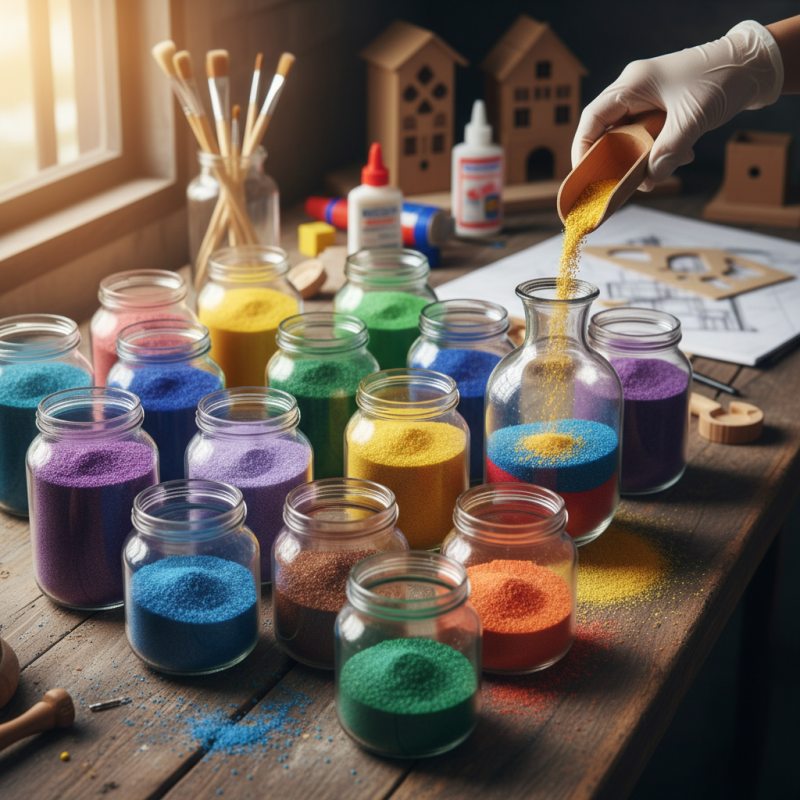
Understanding Color Sand Mesh Sizes: 20-200 Mesh Explained
When selecting color sand for your project, understanding the mesh sizes is crucial. A 20-200 mesh range indicates the particle size and plays a significant role in application. The lower numbers, such as 20 mesh, represent coarser grains. They provide texture and grip, making them suitable for outdoor installations, such as landscaping and playgrounds. In contrast, a finer 200 mesh is ideal for delicate works, such as creating artistic finishes or inlays.
According to industry reports, the global demand for color sand is on the rise, expected to grow at a rate of 4.5% per year. Each mesh size impacts not only the aesthetic outcome but also the durability and function of the end product. Choosing the wrong size may lead to issues. For instance, using coarse sand for fine detailing could result in rough edges. It can create a less professional appearance. Thus, knowing the correct mesh size helps streamline your project and optimizes performance.
Practical examples highlight these differences. In resin projects, using sand with a larger mesh can yield porous surfaces that compromise resin flow. Meanwhile, a finer mesh promotes a smoother finish. Experimentation often reveals that some projects may look different than anticipated. This discomfort with choice can provide valuable learning experiences. Understanding these distinctions enhances your overall project quality and safety.
Assessing the Use Cases for 20-200 Mesh Color Sand in Projects
When selecting a 20-200 mesh color sand for your project, consider its application. This granulation size provides versatility. It's suitable for decorative landscaping, outdoor amenities, and construction uses. According to industry reports, fine granules can enhance surface aesthetics while ensuring durability.
If you're planning a garden project, color sand can improve drainage in soil mixes. An experiment by the American Society of Landscape Architects showed that sand can increase aeration by up to 30%. This can lead to healthier plant growth. Pool finishes also benefit from color sand. Its texture adds slip resistance, enhancing safety for users.
Tips: Always test a small sample first. This ensures you match the color and texture to your design needs. Consider environmental factors, like UV exposure. Over time, colors may fade, requiring periodic replenishment.
Explore various color options. A vibrant palette allows for creative expression in pathways or outdoor spaces. However, get feedback from peers and clients. Their insights can highlight potential shortcomings you may overlook. Using 20-200 mesh color sand can elevate your projects significantly when chosen wisely.
Evaluating Color Sand Materials: Natural vs. Synthetic Options
When selecting color sand for your project, it’s crucial to consider natural versus synthetic options. Natural color sand is derived from minerals and other organic materials. It offers a unique, earthy aesthetic. This type often features variations in color and texture due to its organic origins. However, it might not be as consistent as synthetic varieties. Each batch can have slight differences, which can be both a charm and a challenge.
On the other hand, synthetic color sand is manufactured for uniformity. It undergoes processing to achieve consistent colors and textures. This option might be more suitable for projects requiring precision. Synthetic sands are often more vibrant, but some argue they lack the character of natural options. This debate sparks reflection on the importance of choosing materials that resonate with your project's purpose.
Ultimately, make sure to weigh the pros and cons of both types. Inspect samples before making a decision. Understanding how natural and synthetic sands affect your project's appearance profoundly impacts your final result.
How to Choose the Right 20-200 Mesh Color Sand for Your Project?
| Type | Material | Color Options | Durability | Cost Per Bag | Environmental Impact |
| Natural | Silica Sand | White, Tan, Green | High | $8 | Low |
| Natural | Multicolored Sand | Red, Blue, Yellow | Moderate | $10 | Moderate |
| Synthetic | Colored Quartz | Vibrant colors | Very High | $15 | Medium |
| Synthetic | Epoxy Coated Sand | Custom colors | High | $20 | High |
Color Sand Colorfastness: Importance in Long-term Applications
Color fastness is a critical factor when selecting color sand for long-term applications. Research indicates that color retention can significantly influence the longevity of projects, especially when exposed to sunlight. The American Society for Testing and Materials (ASTM) has established guidelines for evaluating the weathering resistance of pigment materials. Adhering to these guidelines can help ensure that the sand selected maintains its vibrant colors over time.
Exposure to UV rays and harsh environmental conditions can lead to color fading. One industry report highlights that particulate materials with high inorganic content tend to exhibit better color stability. For instance, sands with more than 70% silica content have shown superior performance in outdoor settings. However, not all color sands meet this standard. It's essential to scrutinize product specifications and not rely solely on aesthetic appeal.
Ultimately, the choice of color sand impacts project outcomes. Poor color fastness can lead to dissatisfaction and increased maintenance costs. Evaluating the color durability of options is vital, as it may not be immediately apparent during the initial application. Regular assessments can prevent unforeseen challenges and enhance the success of your project.
Calculating Required Color Sand Amounts for Project Specifications
When determining how much color sand you need for your project, start by calculating the area. Measure the length and width of the space where the sand will be applied. For instance, if you’re filling a playground or constructing a sand art project, consider the dimensions carefully. After that, you can find the total square footage.
One useful tip is to visualize the depth of the sand layer. A layer of half an inch will require less sand than a depth of two inches. You can use a simple formula: multiply the area in square feet by the desired depth in feet. Then, convert that volume into cubic yards. This will guide you in purchasing the right amount of sand.
Another important consideration is the sand mesh size. For intricate projects, a finer mesh like 100-200 might work better. A coarser sand, like 20 mesh, may be ideal for paths or decorative borders. Always be prepared for slight variations in the estimated amounts, as factors such as compaction can occur. Don't forget to account for potential waste during the project, which might require purchasing a bit extra.
How to Choose the Right 20-200 Mesh Color Sand for Your Project?
This chart illustrates the recommended quantities of color sand (in pounds) required for various project specifications, based on different mesh sizes (20, 40, 60, 80, 100, 200). The data reflects common usage scenarios in landscaping, construction, and arts & crafts.
